
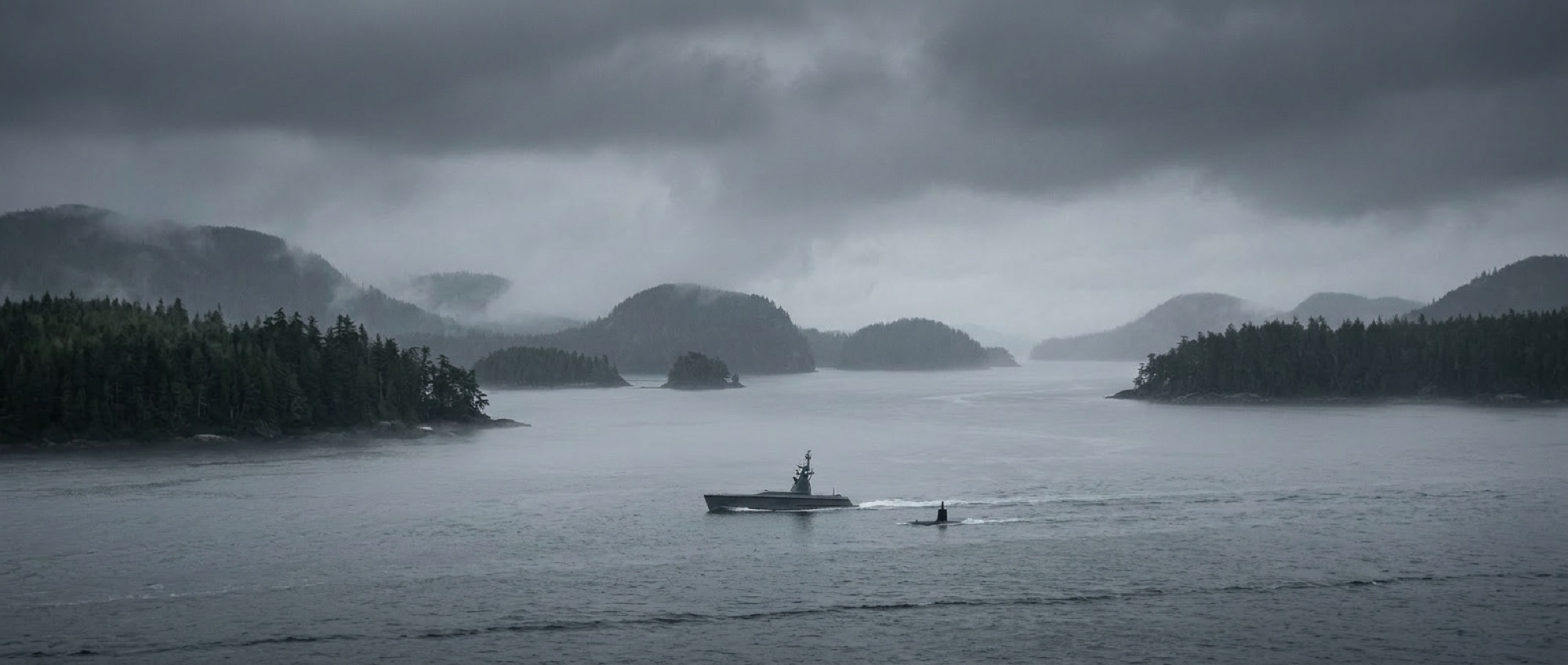
Naval autonomy for the contested littoral.
Salish Littoral Systems builds unmanned surface and undersea vehicles, the autonomy that drives them, and the sensors that let them see — engineered for shallow, cluttered, contested water and proven in the Pacific Northwest's own.
Four domains. One fight.
The littoral is where land, sea, and spectrum collide — too shallow for blue-water fleets, too contested for anything that can't think for itself. We build for exactly that water.
Surface Vessels
Unmanned surface vehicles spanning the endurance–speed envelope: months-long station-keeping to 40-knot intercept.
Programs →Subsea Vehicles
Undersea vehicles that map the bottom ahead of the fleet and hold deep, quiet watch over the chokepoints that matter.
Programs →Autonomy & C2
One certifiable autonomy stack on every hull, one fused common picture above it — one operator, many platforms.
Programs →Sensors & Payloads
Passive-first sensing: acoustic arrays, panoramic EO/IR, and radar/ESM that build the picture without giving away position.
Programs →The working fleet
Not concept art. Hulls in the water, hulls in the shop, and the program discipline to tell you which is which.
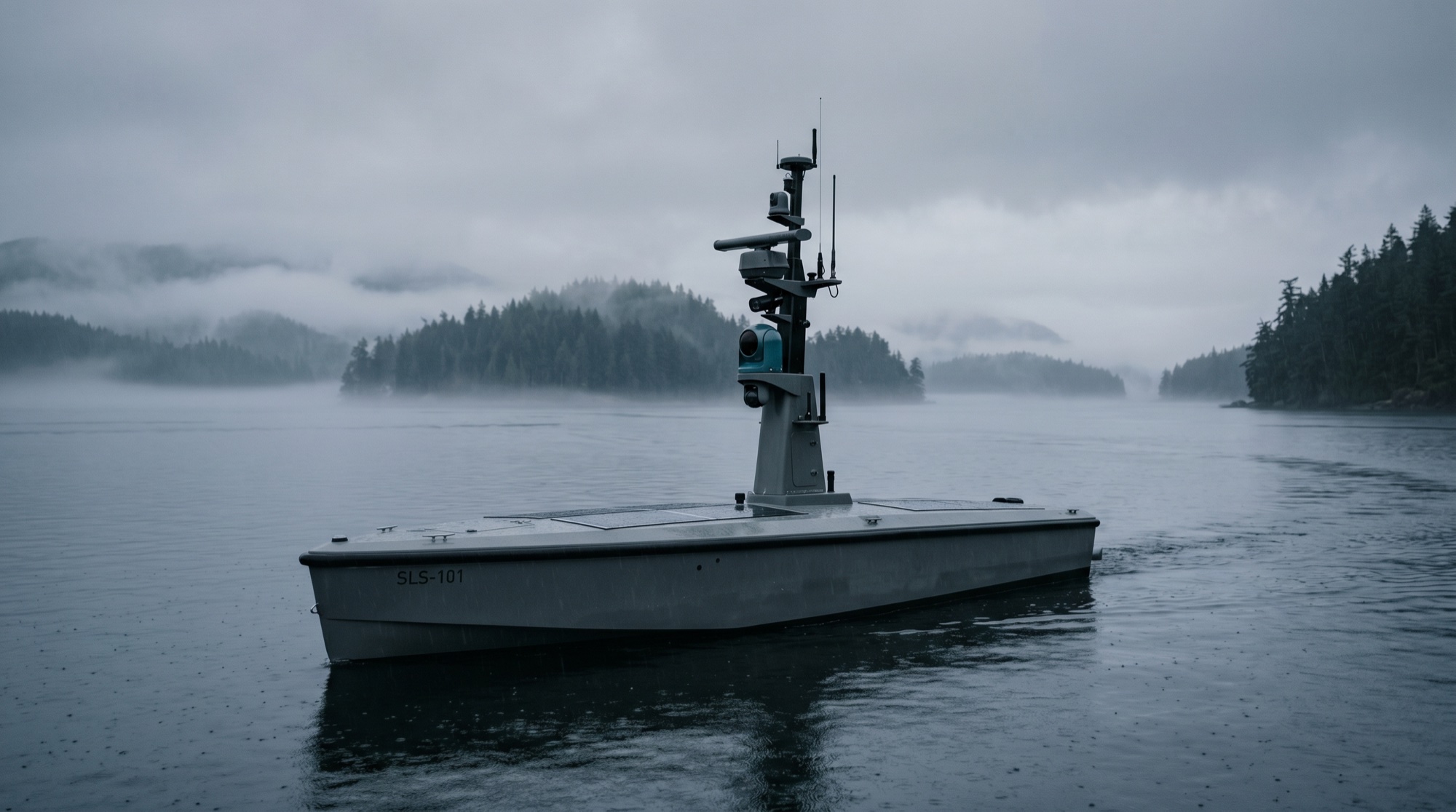
Slackwater
Long-endurance ISR surface vehicle
A hybrid solar–diesel–electric surface vehicle built for weeks-long station-keeping in contested littorals. Low-signature, fuel-frugal, and patient — Slackwater holds position and watches long after crewed assets have to leave.
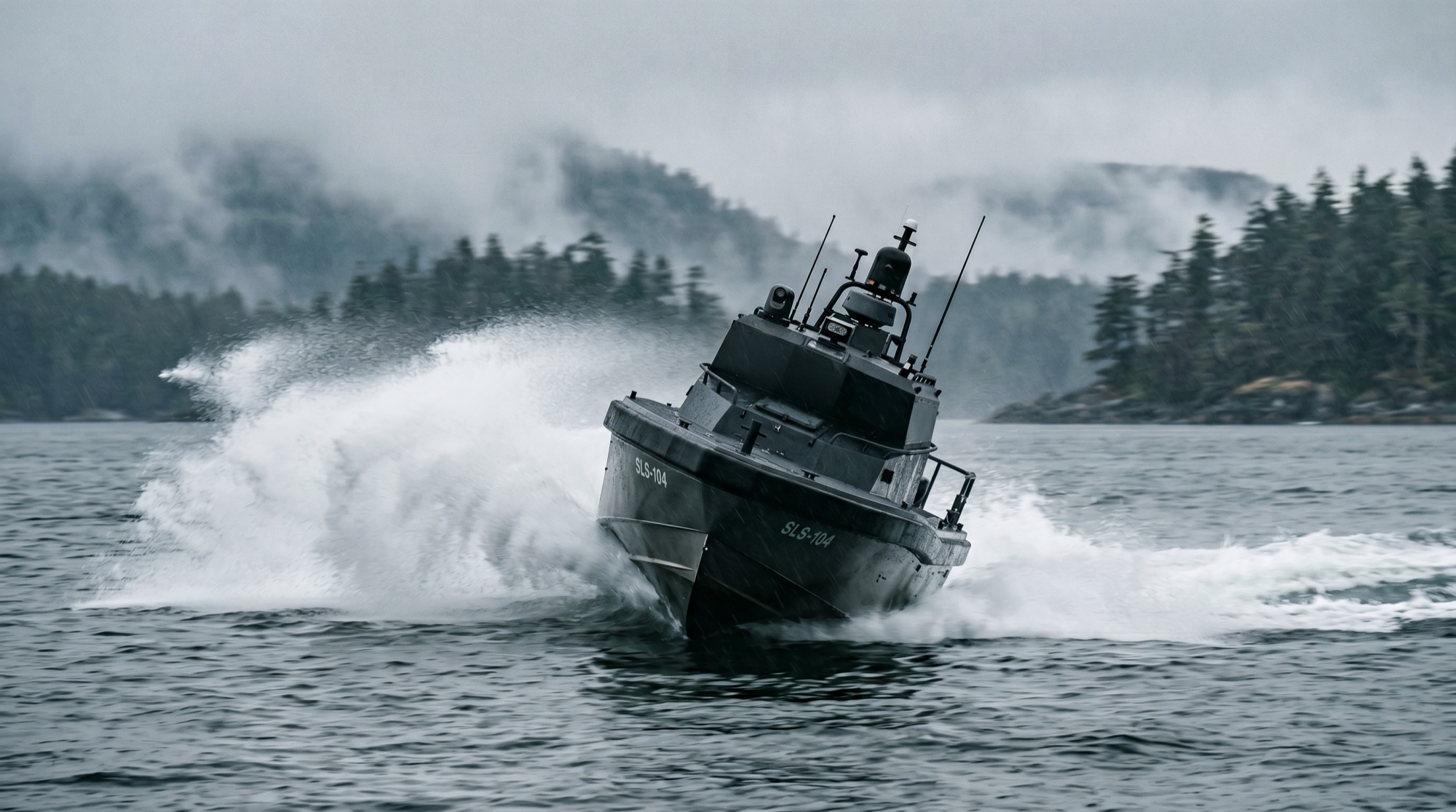
Riptide
High-speed interceptor USV
The sprinter to Slackwater's marathoner. A planing-hull interceptor built to close, shadow, and non-kinetically interdict surface contacts at better than forty knots.
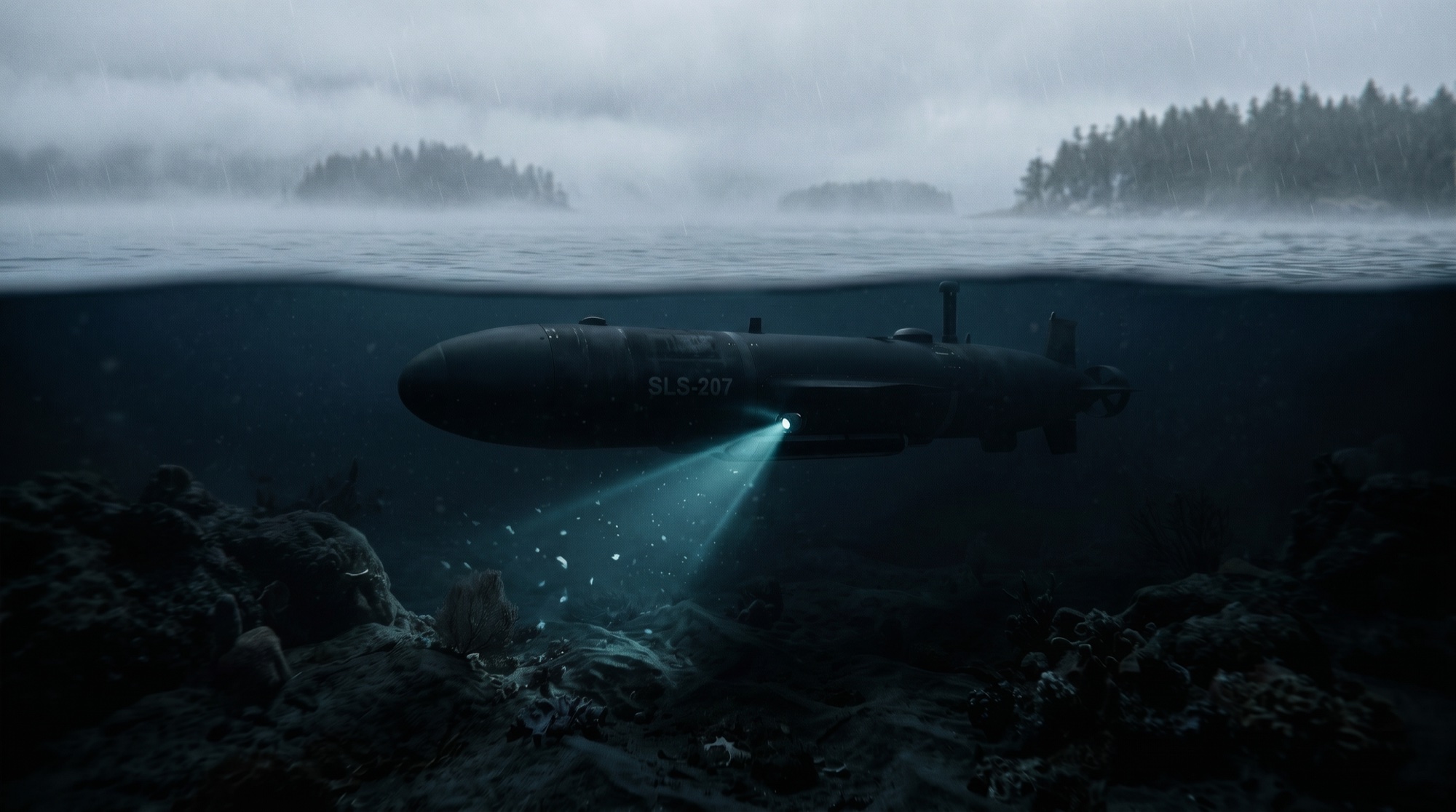
Backeddy
Deep-loiter sentinel UUV
Where Sounder surveys and moves on, Backeddy sits deep and quiet for weeks — a 1,000-meter-rated loiter specialist carrying the Resonance acoustic array to watch the chokepoints that matter.
One brain. One picture. Every hull.
Every SLS vehicle — surface or subsea — runs the same certifiable Helmsman autonomy stack. Every sensor feed fuses into the same Tidefall common picture. One operator supervises many platforms, and a fix made once is fixed fleet-wide.
- HELMSMAN / SLS-301
- GNSS-denied navigation, COLREGS-compliant avoidance, and a deterministic, model-checkable decision core — built for certification, not demos.
- TIDEFALL / SLS-305
- Multi-vehicle tasking and multi-sensor fusion under contested comms: opportunistic mesh, store-and-forward, exception-based supervision.
- PASSIVE-FIRST SENSING
- Acoustic, EO/IR, and ESM payloads that build the picture without radiating — presence without signature.
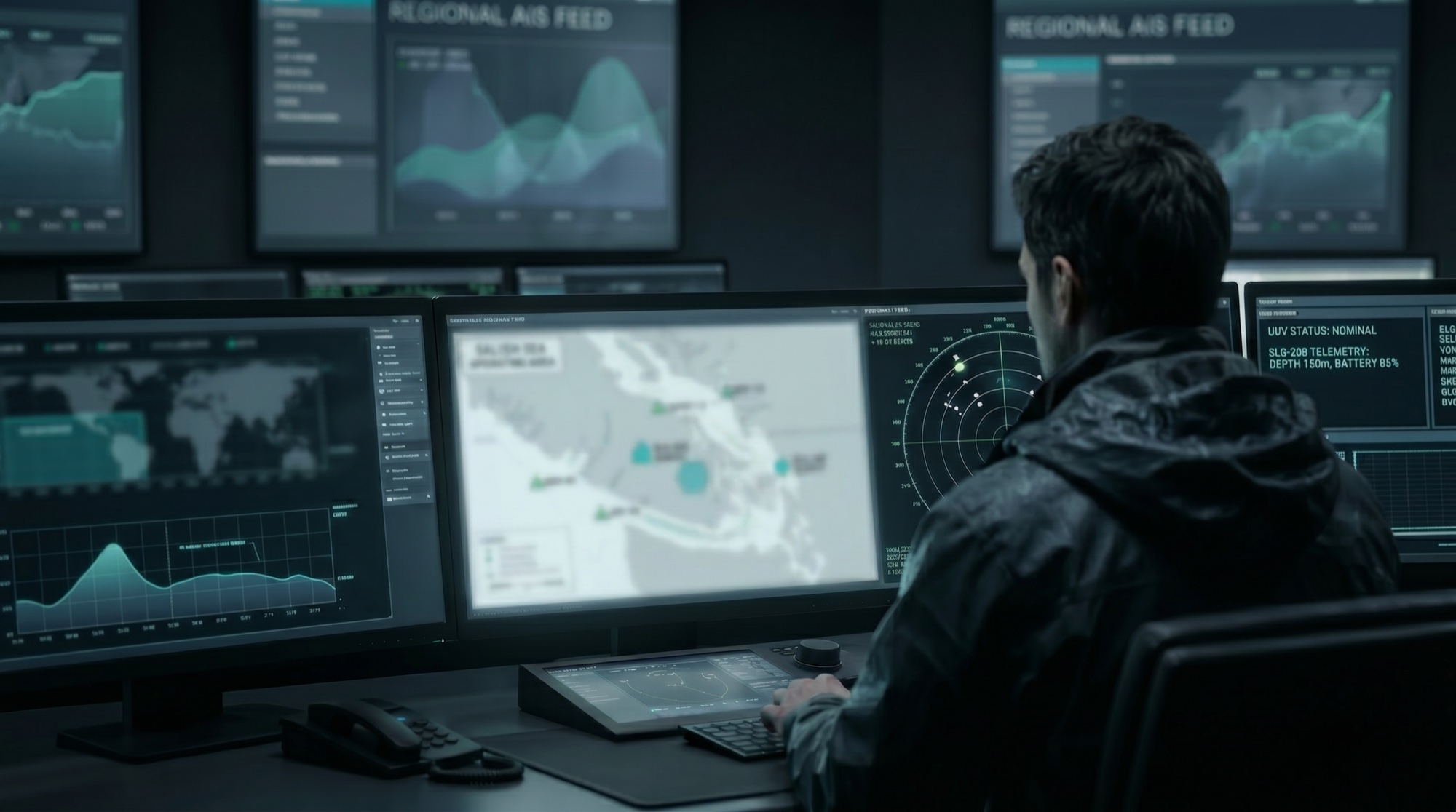
Wet-tested, not whiteboarded
Puget Sound is our proving ground — cold water, heavy traffic, real weather, eight months of overcast. If a system survives the Sound, the brochure writes itself.
Continuous endurance bench test completed on the Slackwater power system, January 2026.
Slackwater transit envelope, with sustained multi-INT collection through sea state 4.
GNSS-denied navigation, collision avoidance, and on-board re-planning — regression-tested every build.
05 / Contact
The littoral won't wait. Neither do we.
Program offices, fleet operators, and integration partners — talk to our business development team about trials, demonstrations, and delivery timelines.