
Nine programs. Four domains. One littoral.
Every SLS program carries a designation, a phase, and a status we stand behind. Surface and subsea platforms share a common autonomy stack and report into a single fused picture.
Surface Vessels
USV — 2 PROGRAMSUnmanned surface vehicles spanning the endurance–speed envelope: months-long station-keeping to 40-knot intercept.
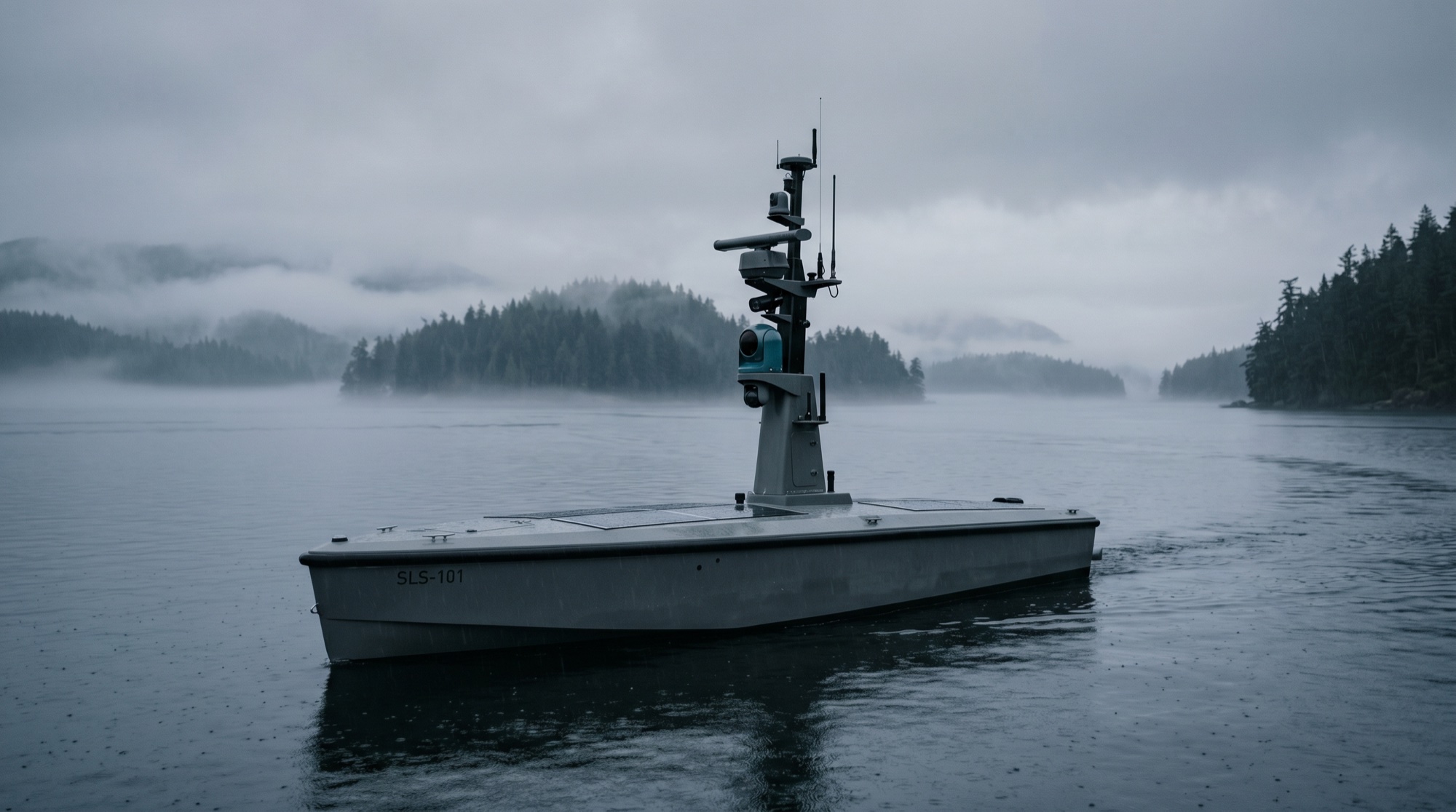
Slackwater
Long-endurance ISR surface vehicle
A hybrid solar–diesel–electric surface vehicle built for weeks-long station-keeping in contested littorals. Low-signature, fuel-frugal, and patient — Slackwater holds position and watches long after crewed assets have to leave.
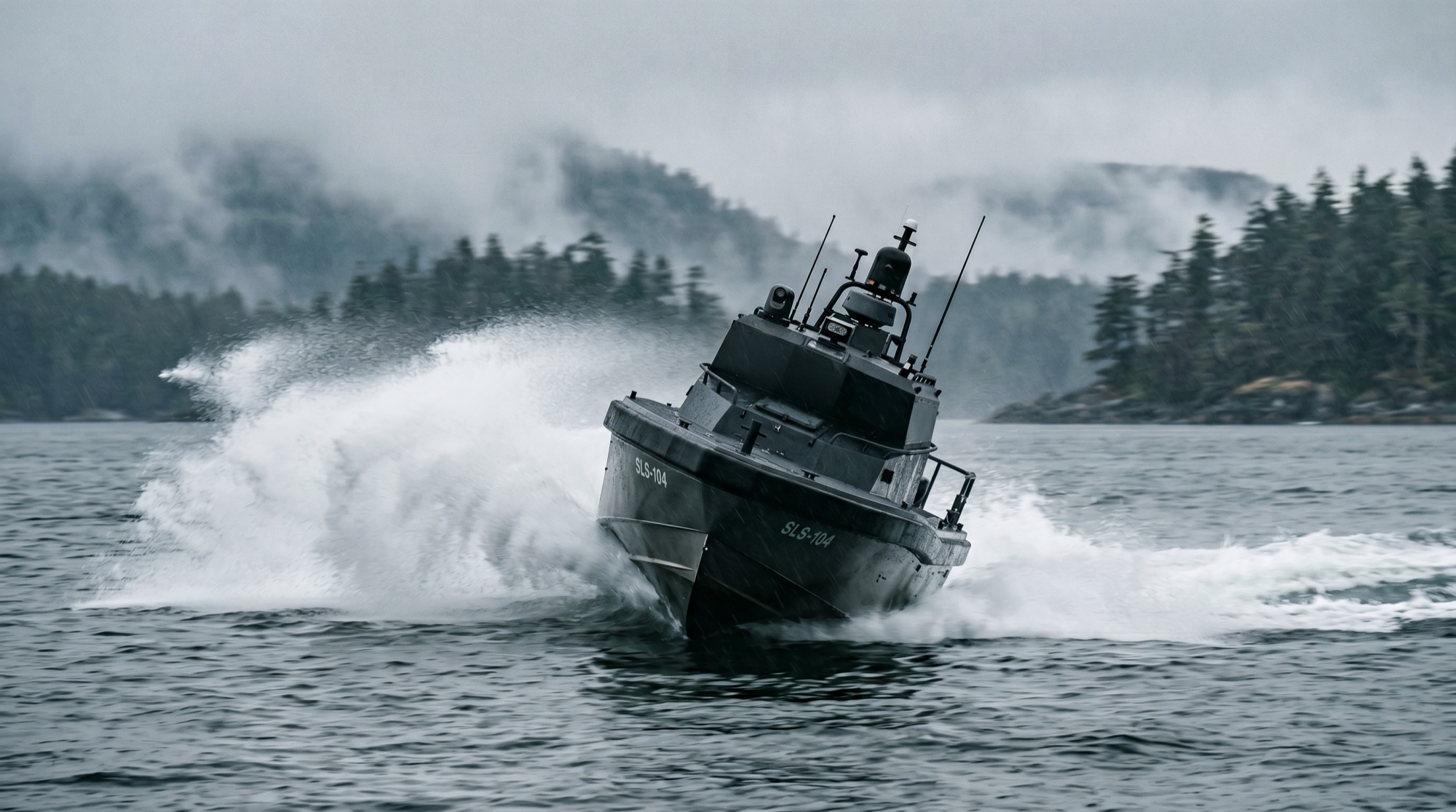
Riptide
High-speed interceptor USV
The sprinter to Slackwater's marathoner. A planing-hull interceptor built to close, shadow, and non-kinetically interdict surface contacts at better than forty knots.
Subsea Vehicles
UUV — 2 PROGRAMSUndersea vehicles that map the bottom ahead of the fleet and hold deep, quiet watch over the chokepoints that matter.
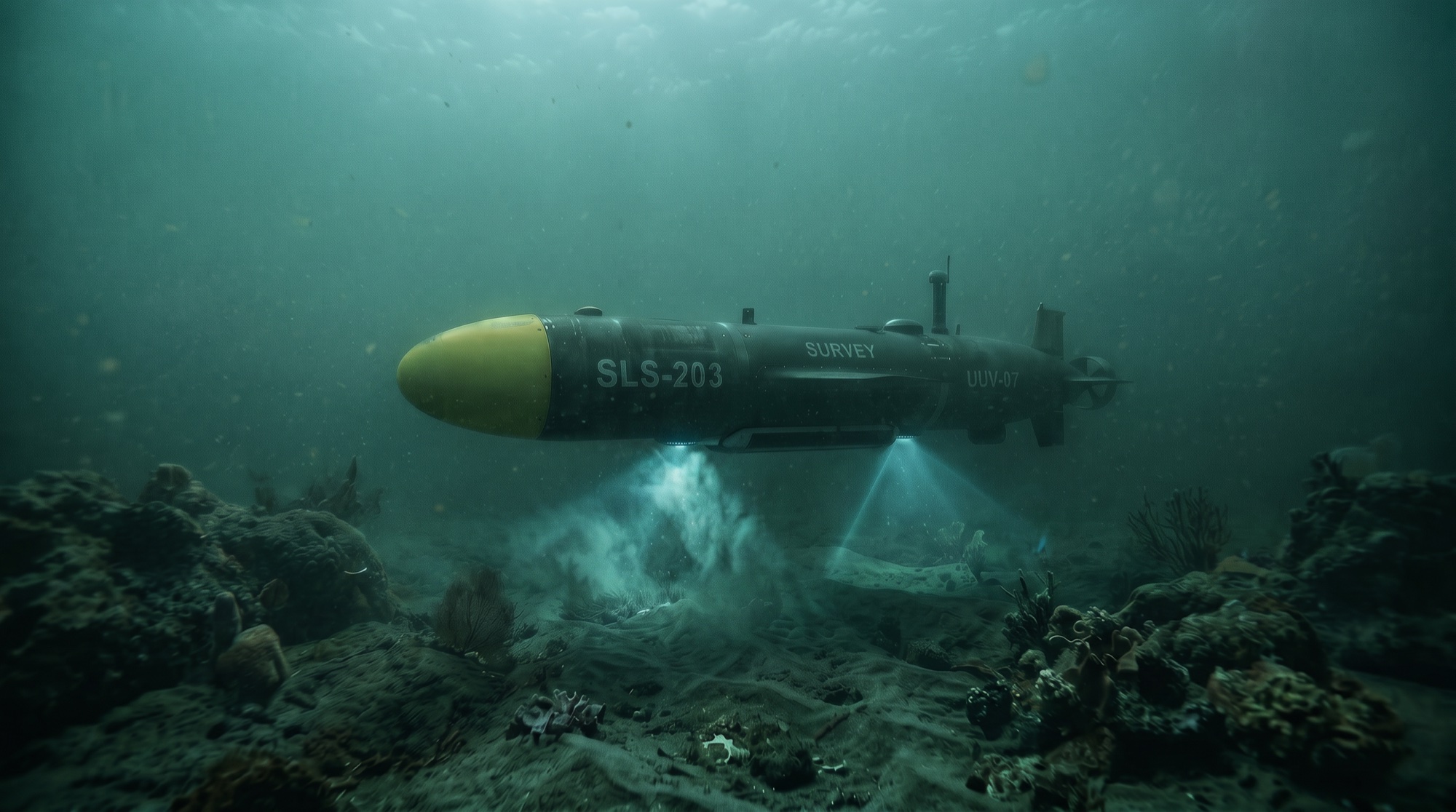
Sounder
Survey & bathymetry UUV
The fleet's surveyor. Sounder maps seafloor ahead of every operation — charting approaches, finding hazards, and building the prior maps the rest of the fleet plans against.
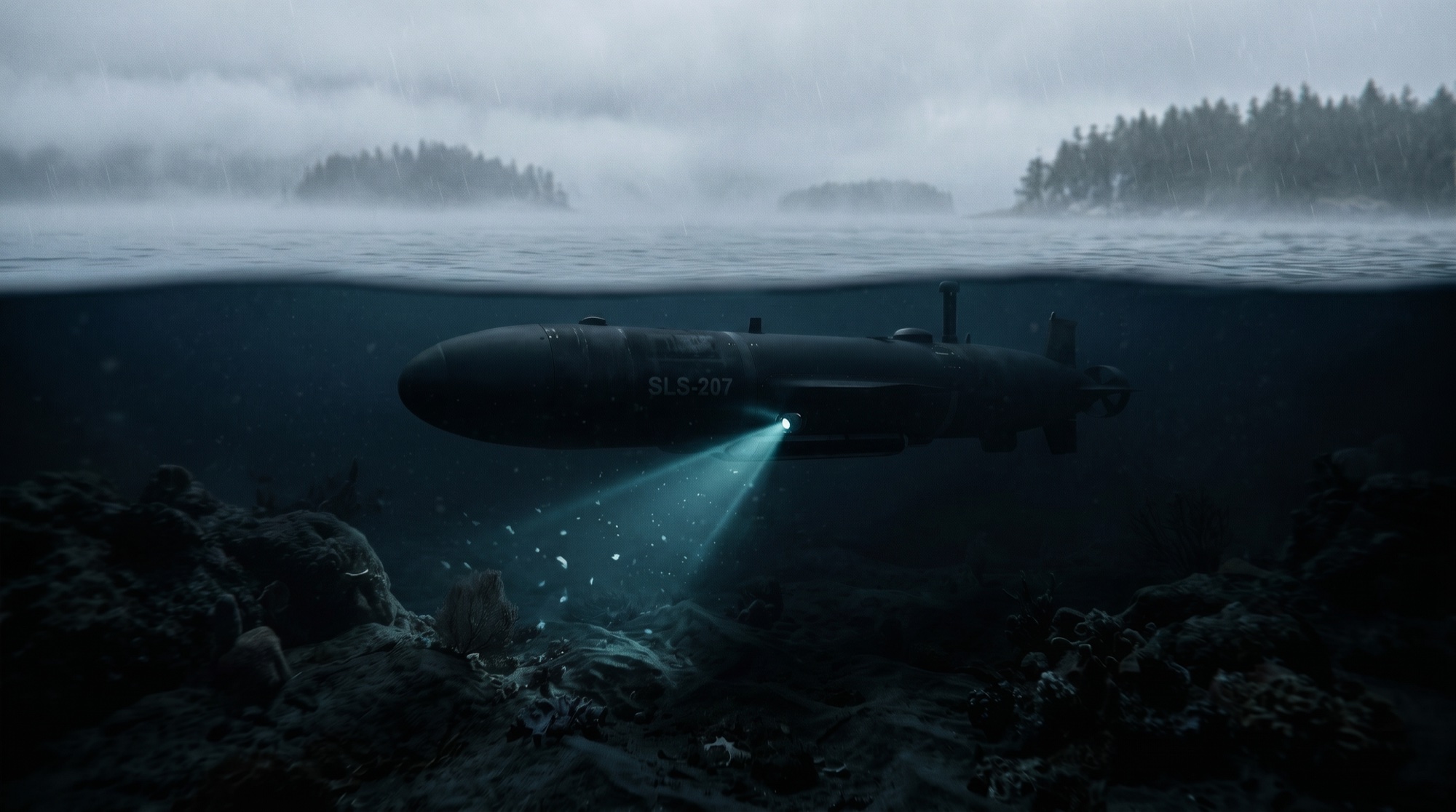
Backeddy
Deep-loiter sentinel UUV
Where Sounder surveys and moves on, Backeddy sits deep and quiet for weeks — a 1,000-meter-rated loiter specialist carrying the Resonance acoustic array to watch the chokepoints that matter.
Autonomy & C2
A&C2 — 2 PROGRAMSOne certifiable autonomy stack on every hull, one fused common picture above it — one operator, many platforms.
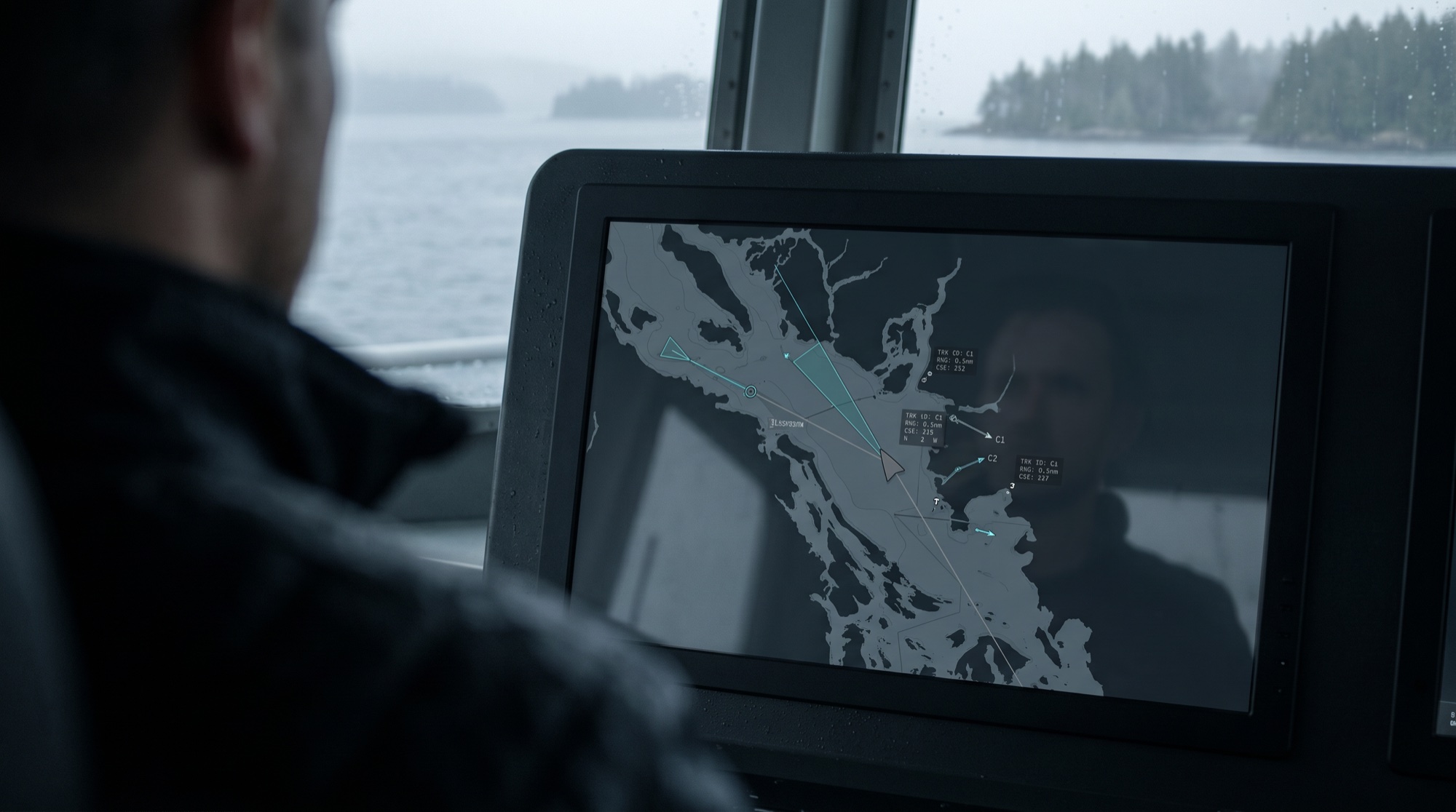
Helmsman
Core autonomy & navigation stack
One brain, every hull. Helmsman is the common guidance, navigation, and control layer that runs on every SLS vehicle — surface and subsea — from COLREGS maneuvering to GNSS-denied dead reckoning.
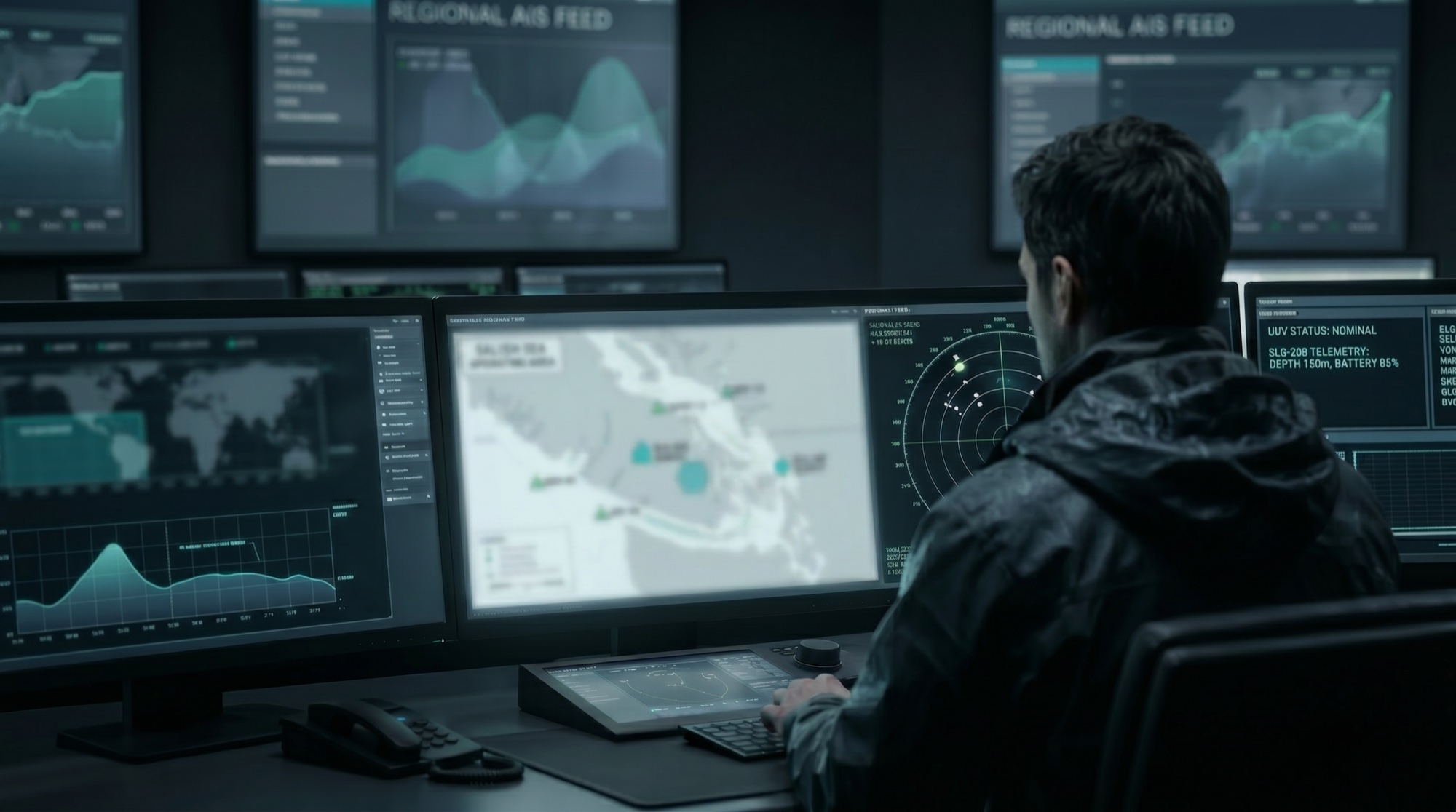
Tidefall
Fleet command & control
The layer that turns vehicles into a force. Tidefall tasks heterogeneous surface and subsea groups, fuses every sensor feed into one maritime picture, and lets a single operator supervise many platforms.
Sensors & Payloads
SNS — 3 PROGRAMSPassive-first sensing: acoustic arrays, panoramic EO/IR, and radar/ESM that build the picture without giving away position.
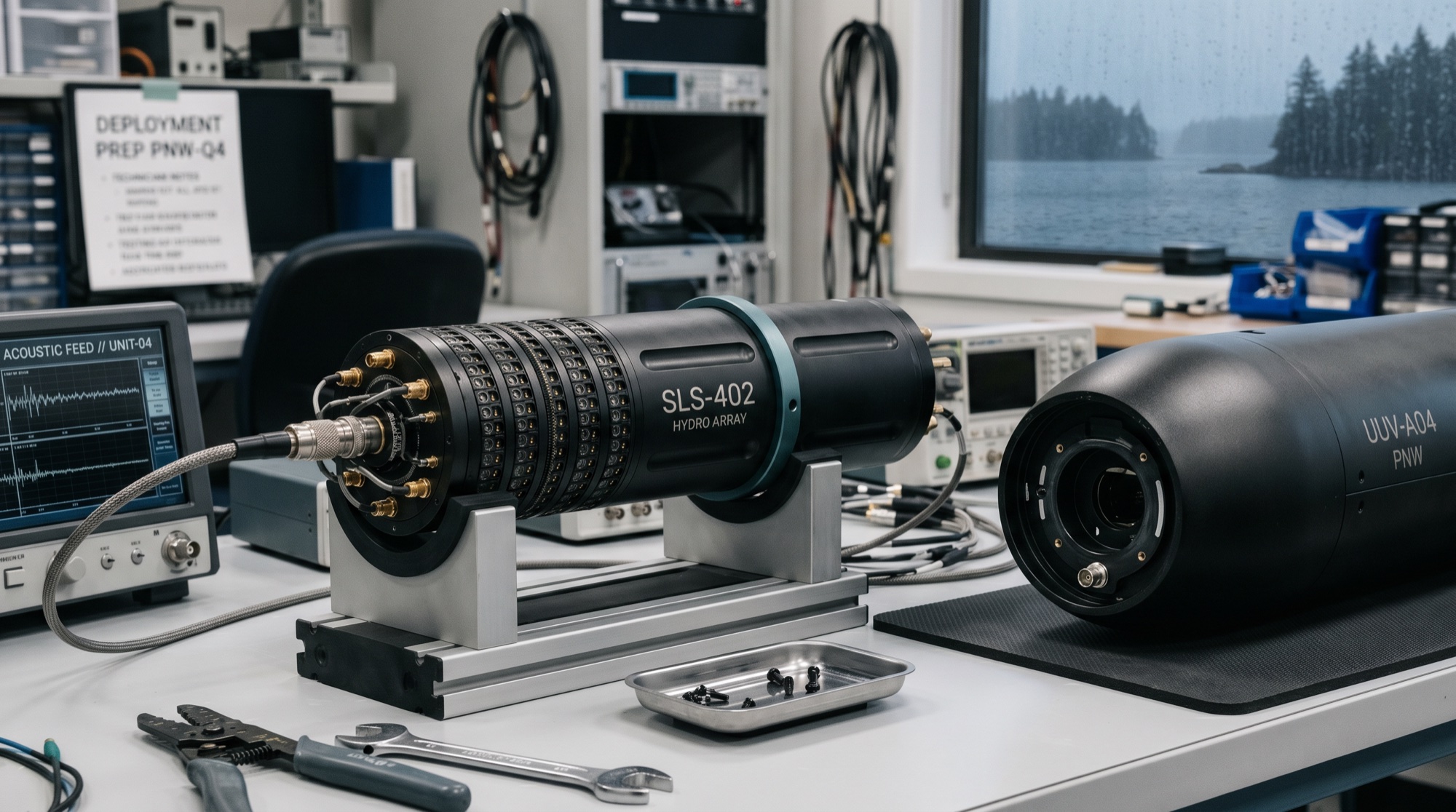
Resonance
Passive acoustic array
Listen-only detection, classification, and bearing on surface and subsurface contacts. Resonance hears propeller cavitation long before any radar paints the target — and never emits a thing.
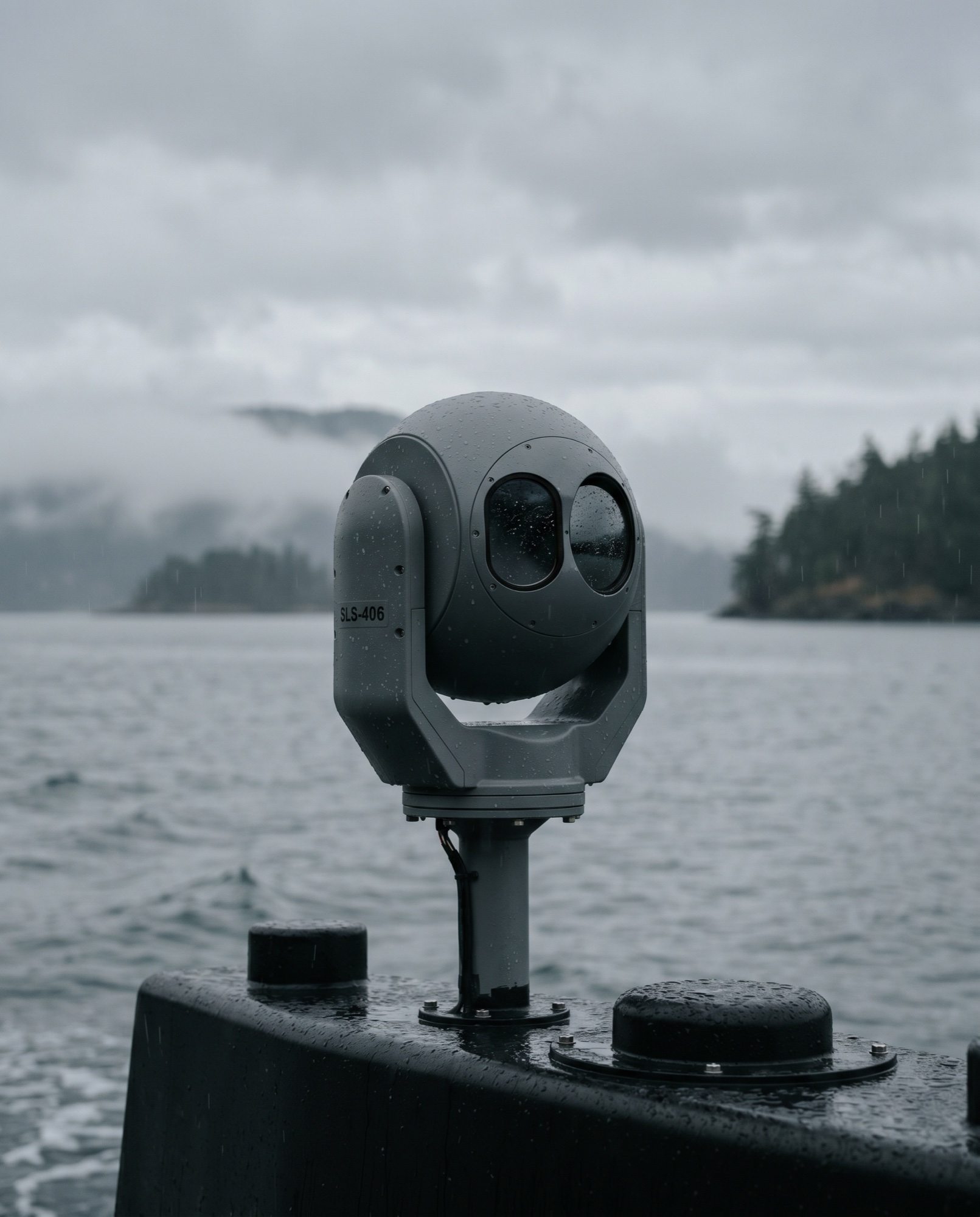
Aperture
Panoramic EO/IR sensing
The eyes of the surface fleet. Aperture gives a USV 360° electro-optical and infrared awareness with automatic detect-and-track — while staying completely radar-silent.
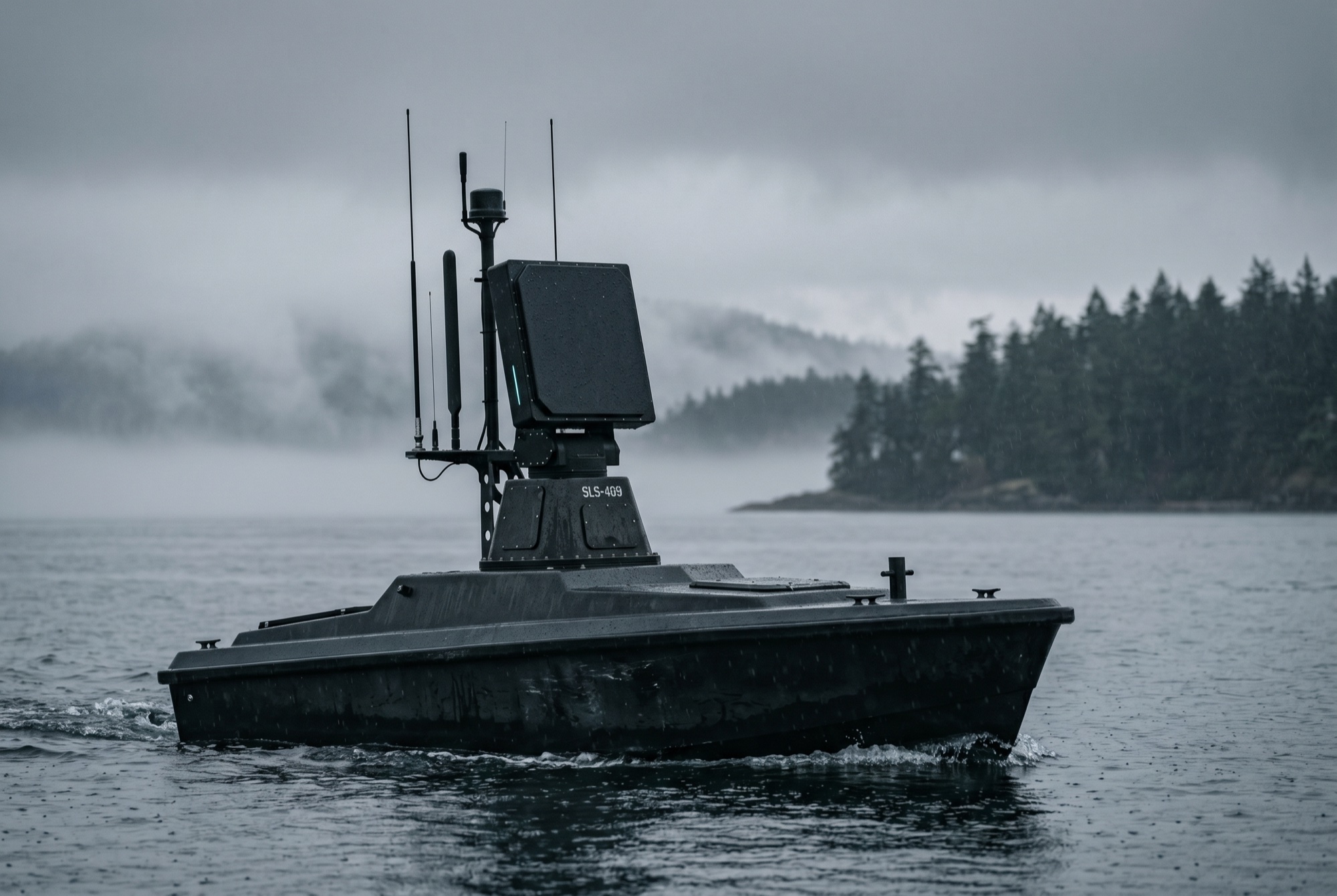
Spindrift
Surface radar & ESM payload
The active counterpart to Aperture's passive optics. Spindrift detects and classifies surface contacts by their radar returns and their own emissions, building an emitter picture at standoff range.